









Last updated: 28 October 2026 · Airline services, in-flight entertainment and entry requirements change over time – this guide covers the principles that apply regardless of which airline you've booked.
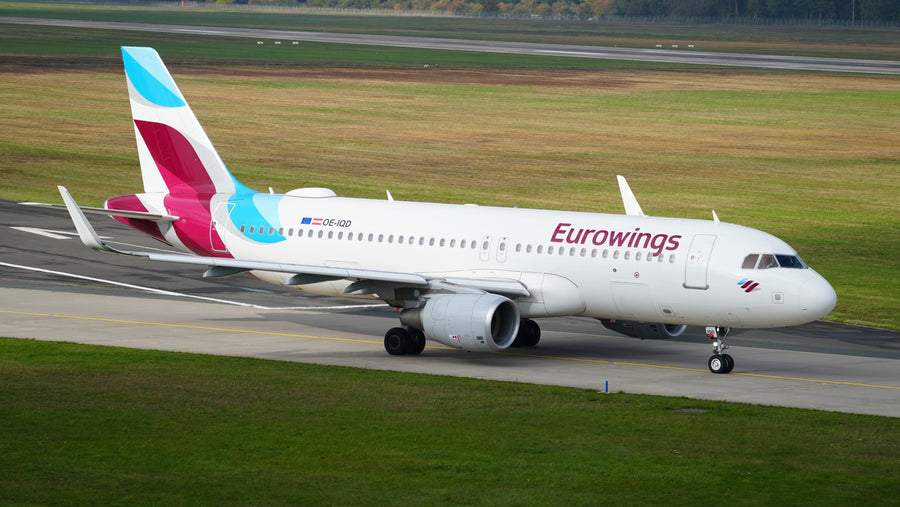
A long-haul flight – meaning any journey over 6 hours – puts real strain on the body. Dry air, lack of movement, time differences and uncomfortable seats turn flying into hard work. With the right preparation, you'll arrive at your destination rested, relaxed and healthy. This guide walks you through the key tips for all four phases of your journey.
The 4 phases of a long-haul flight
Preparing at home
- Pack your carry-on with essentials (sleep mask, headphones, charging cable)
- Keep important documents within reach (passport, ESTA/eTA, boarding pass)
- Get enough sleep the night before departure – avoid a night flight when overtired
- Download offline entertainment (Netflix, Spotify, eBooks)
At the airport
- Check in 2–3 hours before departure – full details in our airport arrival time guide
- Drink plenty of water before boarding (less once in the air)
- Use the restroom one last time
- Wear comfortable shoes – swollen feet are normal
In the air
- Switch your mindset to the destination time zone right away
- Move every 1–2 hours – short walks help prevent thrombosis
- Drink plenty of water (around 200 ml per flight hour), avoid alcohol
- Sync your sleep to the destination – on eastbound flights, sleep early
At your destination
- Jump straight into the local daily rhythm – don't give in to jet-lag naps
- Get daylight exposure on day one (helps regulate melatonin)
- Stay awake until 10pm (even if your body is signalling 3am)
- Favour light meals – digestion needs time to adjust
The 9 most important tips against flight stress
Drink, drink, drink
Cabin air has only 10–20% humidity. Drink at least 200 ml of water per hour. Coffee and alcohol dehydrate you – avoid them.
Sleep mask + earplugs
Cabin lighting and engine noise prevent deep sleep. A good sleep mask plus foam earplugs are a must for your carry-on.
Keep medication handy
Pack headache tablets, stomach remedies, plasters and any personal medication in its original packaging.
Offline entertainment
Don't rely entirely on in-flight entertainment. Download a film, book, podcast or audiobook to your smartphone or tablet in advance.
A comfort kit in your carry-on
Neck pillow, headphones, spare socks, toothbrush, moisturiser – your personal comfort set.
Prevent jet lag ahead of time
Adjust your sleep schedule to your destination 2–3 days before departure. Once there, get plenty of sunlight – it helps your body clock resync.
Choose your seat wisely
Aisle seats suit those who move around; window seats suit sleepers. The back rows see less restroom traffic – emergency exit rows offer more legroom.
Move to prevent thrombosis
Stand up every 1–2 hours, rotate your feet, lift your heels. Compression stockings are worthwhile on long flights.
Don't overeat
Digestion is weaker at 10,000 m – smaller portions are better. A vegetarian meal is often easier on the stomach.
Beating jet lag: eastbound vs. westbound flights
Westbound flight (e.g. USA)
The day gets longer – easier to handle
- Before: go to bed 2–3 days later than usual
- In flight: avoid sleeping (usually a daytime flight)
- On arrival: stay awake until 10pm
- Effect: adjusted within 2–3 days
Eastbound flight (e.g. Asia)
The day gets shorter – harder to handle
- Before: go to bed 2–3 days earlier than usual
- In flight: fall asleep early
- On arrival: get sunlight in the morning
- Effect: 4–5 days until you're back to normal
Rule of thumb: for every time zone crossed, the body needs roughly one day to adjust. With an 8-hour time difference, 7–8 days is normal.
The right packing list for your carry-on
On a long-haul flight, a well-packed carry-on bag matters even more than on a short trip. Here's what should definitely be in it:
- Documents: passport, eTA/ESTA printout, vaccination certificate (if required), hotel voucher
- Payment: credit card plus some cash in the destination currency
- Electronics: smartphone, headphones, power bank (max. 2, carry-on only, don't charge in flight), travel adapter, charging cable
- Comfort: neck pillow, sleep mask, earplugs, spare socks
- Hygiene: toothbrush, small toothpaste (100 ml), wet wipes, deodorant
- Liquids: max. 100 ml – see our guide on liquids in carry-on luggage
- Medication: personal medication, ibuprofen, loperamide, plasters
- Entertainment: book, headphones, pre-downloaded series
Eating and drinking on the plane
The dry cabin air makes your body particularly thirsty. At the same time, your sense of taste changes at 10,000 m – spicy and salty foods taste weaker. What helps:
- Water: at least 200 ml per flight hour – refill your own bottle with tap water
- Caffeine: only in the morning after arrival – before or during the flight it disrupts sleep
- Alcohol: avoid – it dehydrates heavily and worsens jet lag
- Snacks: nuts, fruit, trail mix – without trans fats
- Special meals: pre-order vegetarian, vegan or low-fat options for easier digestion
Travelling long-haul with kids – the key tips
With children, a long-haul flight becomes a real challenge. What works well:
- Favourite toys + new ones: a surprise package with small new toys every 1–2 hours
- Tablet with headphones: download offline shows in advance
- Choose a night flight: children tend to sleep through most of it
- Snacks + water: small bites to bridge the gap between meals
- Ears during take-off/landing: a dummy, bottle or chewing gum help with ear pressure
- Seatbelt practice: explain why the "snake" stays on – it reduces stress
Long-haul travel and choosing the right suitcase
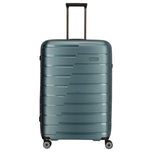
For checked luggage, a sturdy model with plenty of volume is worth it. For long-haul trips, robust hardshell suitcases are the best choice – they protect electronics and withstand multiple handling points along the way. Our recommendation:
- 2-week trip: a size L suitcase (75–79 cm, 80–110 L)
- 3+ weeks / round-the-world trip: size XL or a luggage set
- Ryanair-compliant carry-on: 55×40×20 for strict airlines
For more details on choosing the right size, check out our suitcase size guide. Top brands for long-haul travel: Samsonite, Titan, Travelite.
Frequently asked questions about long-haul flights
From how many hours is a flight considered long-haul?
Flights over 6 hours are generally considered long-haul. There's no universal distance-based threshold.
What's the best way to beat jet lag?
Switch your watch to the destination time zone as soon as you board, drink plenty of water and avoid alcohol. On arrival, jump straight into the local daily rhythm and get as much sunlight as possible on day one. Expect roughly one day of adjustment per time zone crossed.
What carry-on luggage do I need for a long-haul flight?
A carry-on suitcase measuring 55×40×23 cm works for most airlines. You should also bring a small shoulder bag or backpack as a "personal item" for your essentials.
How can I avoid thrombosis on a flight?
Stand up and move around for 5 minutes every 1–2 hours. Regularly rotate and stretch your feet and calves. Compression stockings are recommended for at-risk groups and flights over 8 hours.
Should I sleep on the plane?
It depends on your destination. Flying east (e.g. to Asia), sleep early and for longer. Flying west (e.g. to the USA), try to stay awake and only sleep once you arrive. This helps minimise jet lag.
Am I allowed to bring food on the plane?
Yes, solid food (bread, biscuits, fruit) is permitted. Liquid-like items such as yoghurt are only allowed under 100 ml. When entering other countries, check import regulations – fresh fruit, meat and dairy products are often prohibited.
How much time before departure should I be at the airport?
For long-haul flights: 3 hours before departure. This gives you a buffer for check-in, security and baggage drop-off if needed. More in our airport arrival time guide.
Conclusion: Mastering the long-haul flight
A long-haul flight doesn't have to be a battle. With the right preparation at home, routine at the airport, rest on board and quick adjustment at your destination, you'll arrive rested and fit. The key points:
- Stay hydrated: water instead of alcohol
- Move around: stand up every 1–2 hours
- Sleep: in sync with the destination time zone
- On arrival: jump straight into the local daily rhythm
Still not sure what to pack? Our blog also has tips on space-saving packing and choosing the right suitcase size. For long flights to the USA, keep in mind: a TSA lock is recommended – find out more in our TSA lock guide.